
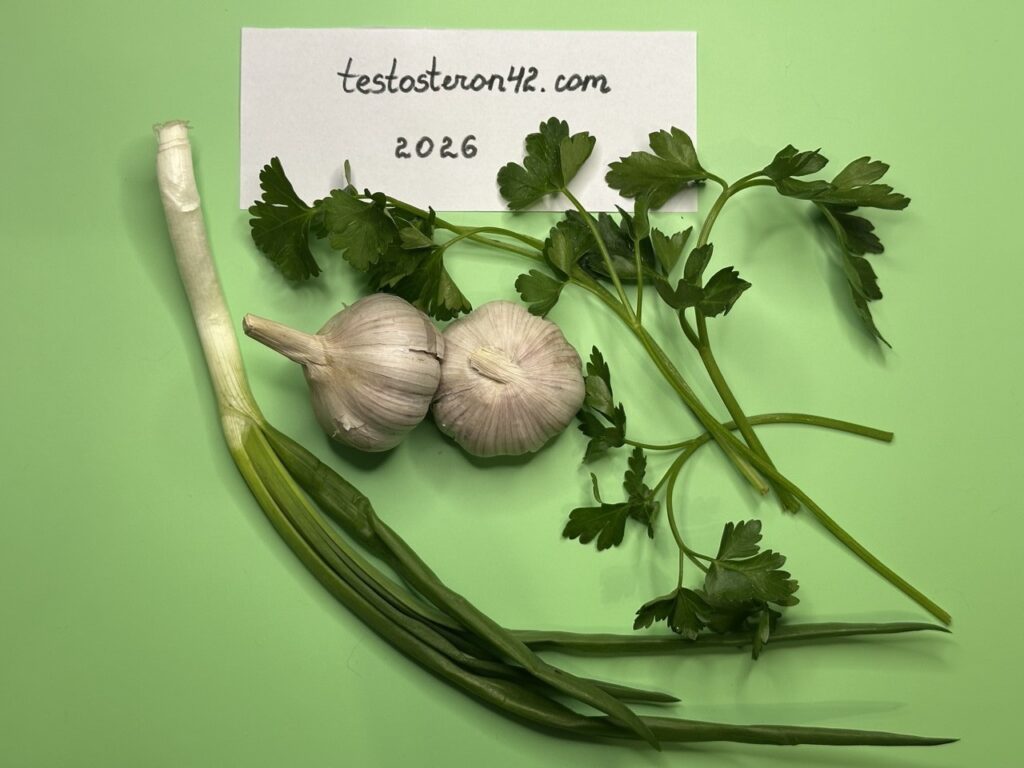
The role of nutrition in men’s health should not be underestimated. Sometimes taking a single tablet is not enough to achieve a strong morning erection. Some foods contain compounds found in medications for erectile dysfunction (supplements). To achieve lasting results, a comprehensive approach is required. Proper nutrition will not only help address low testosterone but also strengthen your body overall and increase endurance.
To maintain a healthy level of testosterone, it is important to eat properly and follow a testosterone diet. This is because hormonal balance depends on certain active substances and energy. As a result, insufficient protein in the body can lead to a decrease in testosterone. Healthy fats are essential for active hormone production. Omega-3 positively affects the functioning of the entire male reproductive system, as do monounsaturated fats. Following a diet low in fat can significantly reduce testosterone levels. For those looking to boost testosterone naturally, incorporating these nutrients can help increase testosterone levels safely and effectively.
How Nutrition Can Boost Testosterone Naturally?
Muscle mass, energy, libido, and overall well-being — all of these are regulated by testosterone. To maintain this hormone at a healthy level, it is essential to eat properly. The body produces testosterone from cholesterol, which means that the foods you consume can influence its levels. Consuming omega-3 and monounsaturated fats supports active hormone production and can boost testosterone naturally. Protein intake helps maintain the muscular system and hormonal balance. Carbohydrates provide energy after exercise and help increase testosterone levels.
In addition, vitamins and minerals are important. Zinc, magnesium, and vitamin D play a role in hormone synthesis. A deficiency in these nutrients can significantly lower testosterone levels and negatively affect overall health. A proper diet can help normalise testosterone levels and, along with natural testosterone supplements, support good well-being.
Nutrition directly affects testosterone levels. A lack of healthy fats and protein reduces the body’s ability to produce testosterone, which can lead to a decrease in muscle mass and weight gain. Excessive sugar consumption raises insulin levels and triggers inflammation, which can immediately lower testosterone, making it harder to boost testosterone naturally.
A deficiency in vitamins can cause hormonal imbalances, weaken the immune system, and negatively impact overall well-being. Chronic calorie deficits and irregular eating patterns force the body to conserve resources, reducing testosterone production and making it more difficult to increase testosterone levels.
All of these factors affect strength, endurance, mood, and physical condition. Alongside a balanced diet, natural testosterone supplements can support hormone levels and help maintain energy and vitality.
Foods That Naturally Boost Testosterone
Proper nutrition is an effective way to maintain healthy testosterone levels. It is essential to include foods in the diet that contain healthy fats, protein, vitamins, and minerals — all of which can help boost testosterone naturally. For example:
- Healthy fats. Consuming omega-3 and monounsaturated fats supports hormone synthesis. Such nutrients are found in avocado, olive oil, nuts, and fatty fish such as salmon or sardines, making them key testosterone foods.
- Proteins. Proteins are vital for maintaining muscle mass and hormonal balance. Include chicken, turkey, eggs, meat, and legumes in your diet to help increase testosterone levels.
- Carbohydrates. Whole-grain products and fruits provide energy for workouts and help maintain normal testosterone levels after exercise.
- Vitamins and minerals. Zinc, magnesium, and vitamin D actively contribute to hormone production. Incorporate seeds, nuts, spinach, dairy products, and exposure to sunlight into your diet. These nutrients can also be complemented by natural testosterone supplements.
With the right diet, testosterone levels can be optimised, improving overall well-being, strength, endurance, and mood.
| Food | Key Nutrients | Benefit for Testosterone |
|---|---|---|
| Eggs | Protein, Vitamin D, Cholesterol | Supports testosterone synthesis and immunity |
| Red meat (beef, lamb) | Protein, Zinc, Iron, Vitamin B12 | Enhances testosterone production and muscle function |
| Salmon, tuna, sardines | Omega-3, Vitamin D, Protein | Reduces inflammation and supports reproductive health |
| Nuts (walnuts, almonds) | Monounsaturated fats, Zinc, Magnesium | Boosts hormone synthesis and maintains muscle function |
| Pumpkin seeds | Zinc, Magnesium, Protein | Supports free testosterone and overall hormone production |
| Avocado | Monounsaturated fats, Vitamin E | Protects cells and enhances hormonal balance |
| Spinach, broccoli | Magnesium, Vitamin C, Antioxidants | Reduces stress and supports free testosterone |
| Oats, whole grains | Protein, Complex carbs, B Vitamins | Provides energy and supports hormonal balance |
| Garlic | Allicin, Antioxidants | Reduces cortisol, enhancing testosterone effectiveness |
| Berries (blueberries, strawberries) | Antioxidants, Vitamin C | Reduces inflammation and oxidative stress, supporting hormones |
What Happens to Testosterone with Poor Nutrition
Poor nutrition directly affects testosterone levels. A lack of healthy fats and protein reduces the body’s ability to produce testosterone, which can lead to decreased muscle mass, weight gain, and lower strength and endurance. Proper diet is essential to boost testosterone naturally.
Excessive sugar and processed foods raise insulin levels and trigger inflammation. These conditions can immediately reduce testosterone production, disrupting hormonal balance and making it harder to increase testosterone levels.
Deficiencies in vitamins and minerals such as zinc, magnesium, and vitamin D weaken the immune system, negatively impact mood, and reduce overall well-being. Including the right testosterone foods is vital for maintaining healthy hormone levels. For additional support, natural testosterone supplements can complement a balanced diet.
Chronic calorie deficits or irregular eating patterns force the body to conserve energy, further lowering testosterone. As a result, poor nutrition affects energy, mood, physical condition, and sexual health.
What Happens to Testosterone with Poor Nutrition
As is well known, testosterone levels decline with age. Factors such as diet, sleep, and stress play a significant role. Early detection of a deficiency can help reduce the risk of serious health problems and improve quality of life. If you notice any low testosterone symptoms, it is essential to get your testosterone levels checked by a healthcare professional.
Common warning signs of low testosterone:
- Reduced libido and sexual interest – loss of interest in sexual activity and weaker erections.
- Fatigue and weakness – even after sufficient sleep, energy levels remain low.
- Loss of muscle mass and strength – muscles shrink, endurance decreases.
- Increase in abdominal fat – a noticeable “belly fat” accumulation around the waist.
- Emotional changes – irritability, depression, and decreased motivation.
- Cognitive issues – difficulty concentrating or remembering information.
- Reduced bone density – more frequent fractures and other bone problems.
- Hair loss on body and face – decreased hair growth in typical male areas.
Next steps and treatment approach:
- Consult a qualified healthcare professional – only a doctor can determine an individualised plan.
- Avoid self-treatment – it can be harmful.
- Implement a testosterone diet – foods and nutrients that support hormone production.
- Maintain an active lifestyle – exercise supports hormone levels and overall health.
- Use comprehensive strategies to boost testosterone naturally and increase testosterone safely.
Which Test to Take and How to Prepare for a Testosterone Check
To accurately assess your hormone levels, a blood test for total and free testosterone is usually performed.
Preparation tips for the test:
- Take the blood test in the morning, ideally between 7:00 and 10:00, when testosterone levels are highest.
- Avoid intense physical activity and excessive stress for 24 hours before the test.
- Do not consume alcohol for at least 48 hours prior to the test.
- Fast for 8–12 hours before the test, water is allowed.
- Inform your doctor about any medications, as some can affect the results.
Following these steps ensures an accurate measurement, allowing your doctor to properly assess your low testosterone symptoms and recommend strategies to increase testosterone, including an active lifestyle and a testosterone diet. This comprehensive approach can help men boost testosterone naturally and maintain optimal health.
FAQ – Frequently Asked Questions
1. How can I tell if I have low testosterone?
Look for low testosterone symptoms such as fatigue, reduced libido, and loss of muscle mass. A blood test will accurately measure your testosterone levels.
2. Which foods can help increase testosterone?
A balanced testosterone diet including eggs, fish, nuts, and green vegetables supports hormone levels. These foods can help you boost testosterone naturally without medication.
3. When is the best time to test testosterone?
The ideal time is in the morning, between 7:00 and 10:00, when testosterone levels are naturally higher. Follow preparation guidelines, including avoiding alcohol and intense exercise.
4. Can testosterone be increased without medication?
Yes, proper diet, adequate sleep, and regular exercise can boost testosterone naturally. These measures improve overall health and energy levels.
5. What signs mean I should see a doctor?
If you notice low testosterone symptoms like reduced libido or persistent fatigue, consult a healthcare professional. Only a doctor can recommend safe treatment or advise on a proper testosterone diet.
FAQ Conclusion
- Regular monitoring of testosterone levels helps detect hormone deficiencies early.
- A proper diet, active lifestyle, and symptom management are key ways to boost testosterone naturally.
- If you notice low testosterone symptoms, do not delay consulting a healthcare professional.
- Following a testosterone diet along with medical guidance can safely improve testosterone levels and enhance overall quality of life.
-
Sildenafil – are they the best tablets for erectile dysfunction (ED)?
Article Overview Erectile dysfunction is not always caused by age-related changes. Often, the cause lies in low testosterone levels or psychological factors. The modern pharmaceutical market offers a wide range of medications that help improve erections. In this article, we will discuss the main causes of erectile dysfunction, when it is necessary to take tablets,…
-
The Best Erectile Dysfunction Pills: How to Choose?
The best erectile dysfunction tablets help improve the functioning of the male reproductive system. Under these conditions, they enhance erectile function, making it sufficient for sexual intercourse. After taking such medications, blood flow to the penis improves, which helps to achieve and maintain a firm erection during sexual arousal. There is a wide range of…
-
Abhigra (Sildenafil Citrate): Who Is It Suitable For?
Primary Features of the Abhigra This is a medication whose active ingredient is sildenafil. This compound is also found in Viagra. The Abhigra is used to treat erectile dysfunction, a condition in which it is difficult to achieve an erection suitable for sexual intercourse. The drug effectively improves the functioning of the male reproductive system.…