
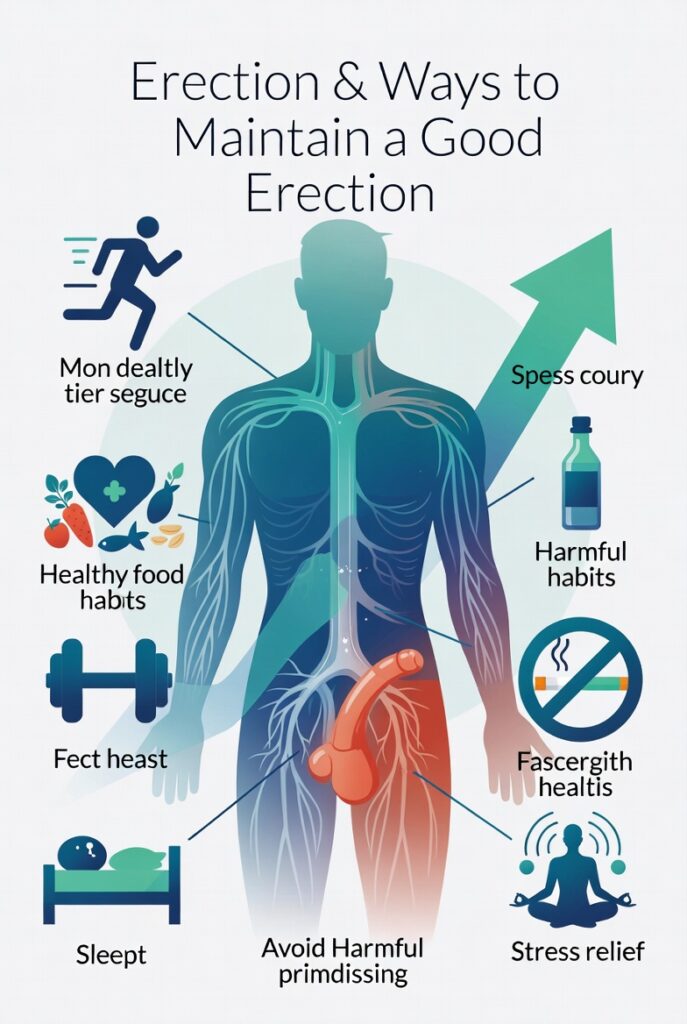
An erection is when the male genital organ becomes engorged with blood and hard. Erection problems can occur at any age, and they’re not necessarily a sign of a medical condition. As a rule, men place a high priority on this issue, particularly in terms of their ability and readiness for sexual intercourse. Therefore, any anxiety or preoccupation can lead to unsuccessful intercourse. Statistics show that erectile problems are often temporary or psychological in nature. Nowadays, there are effective medications for erectile dysfunction.
Understanding Erections: Why It’s Normal to Not Stay Hard During Sex
It’s completely normal for erections to come and go during sex. In any kind of sexual situation, there can be pressure to stay hard, but in reality the penis is soft most of the time. Even when you feel aroused, erections can fluctuate — this is a natural response of the body.
There’s no reason to feel embarrassed if you can’t always stay hard. It’s entirely normal, and there are many ways to enjoy sex that don’t depend on maintaining an erection. It’s also important to remember that erections are not the only sign of pleasure. The best way to know if you or your partner(s) are enjoying sex is through communication — listening to each other and asking when you’re unsure.
“The penis is not a machine with an on-off switch; it is a vascular organ deeply connected to your nervous system and emotional state.” — Dr. Ian Kerner, Sex Therapist and Author
The “Porn Effect”: Expectation vs. Reality
The Unrealistic Standard
It’s important to understand that adult cinema is a highly edited production, not a documentary. Actors are often chosen for physical traits that fall far outside the statistical norm. When you compare your own body or performance to what you see on a screen, you’re measuring yourself against a “special effect.”
The Myth of Infinite Stamina
In porn, scenes are filmed over hours with multiple breaks, clever camera angles, and professional lighting. What looks like an hour of continuous peak arousal is actually a series of short takes. In the real world, the human body is sensitive to fatigue, distractions, and natural lulls in excitement — and that is perfectly normal.
Why Compariso Hurts
Constantly consuming these idealized images can “re-wire” your brain’s reward system. This often leads to performance anxiety when a real-life encounter doesn’t mirror a scripted scene. Remember: healthy sex is about connection and intimacy, not achieving a cinematic marathon.
6 Things that affect erections
Erection problems often occur during difficult periods in life, for example, during certain difficulties or stressful moments. This is a normal psychological reaction. Typically, once the problems resolve, erections improve as well. Men are no less vulnerable and sensitive than women, despite their strong inner core.
You should only be concerned if erection problems, erections, or erectile dysfunction persist for a long time. In such cases, it’s important to have a medical check-up and consult a reputable specialist. The issue could be either psychological or physical in nature.
Many men experience periods where they can’t stay hard or notice losing erection during sexual activity. Sometimes an erection not lasting is simply a temporary response to stress, fatigue, or anxiety. Other times, a weak erection or difficulty staying hard can indicate an underlying health issue that may need attention. Understanding these changes and speaking openly with a healthcare professional can help manage the situation effectively.
The main reasons that affect erection:
- Mental Health
Your mental health has a major impact on sexual performance. Stress, anxiety, and depression can make it difficult to get or maintain an erection, even if these issues aren’t directly related to sex or relationships. Supporting your emotional wellbeing can help reduce episodes of difficulty staying hard and improve overall sexual confidence.
- Performative Anxiety
Feeling nervous about pleasing a partner can affect your ability to stay hard. Performative anxiety can lead to pressure during sex, making it harder to achieve or maintain an erection. Remember, sex should be pleasurable for everyone involved, and you should never feel forced to do anything that makes you uncomfortable. Focusing on intimacy rather than performance can reduce erection problems.
- Worry and Pressure
Worrying about past experiences where you had trouble getting an erection can make it even harder to stay hard. Putting pressure on yourself or a partner to maintain a strong erection can create shame and anxiety. It’s important to know that there are many ways to enjoy sexual activity and bring pleasure without needing a perfect erection every time.
- Alcohol and Drugs
Alcohol, recreational drugs, and some prescription medications can affect erections. They may contribute to weak erections or difficulty staying hard, even if you are otherwise healthy. Limiting these substances can improve sexual performance and confidence.
- Illness and Tiredness
Being unwell or extremely fatigued can make it harder to get or maintain an erection. Your body’s overall health and energy levels are closely linked to sexual performance, so taking care of yourself and getting enough rest can help reduce episodes of erection problems.
- Pornography
Excessive pornography use may make it harder to become aroused with a real partner. Comparing yourself to performers can affect confidence and increase anxiety, leading to losing erection or difficulty staying hard. Reducing reliance on porn and focusing on real-life sexual experiences can help restore natural sexual responses.
How can I stay hard during sex?
| # | Advice | Description | Tip Track / Notes |
|---|---|---|---|
| 1 | Mental Health | Stress, anxiety, or depression can interfere with sexual performance. Take care of your mental wellbeing to improve erections. | Start with self-care; reducing stress helps naturally stay hard |
| 2 | Performative Anxiety | Feeling nervous about pleasing your partner can make it hard to stay hard. Focus on enjoyment, not performance. | Encourage communication; remind yourself sex is not a test |
| 3 | Worry and Pressure | Overthinking past sexual experiences or pressure to maintain an erection can cause anxiety and shame. | Use mindfulness; let go of past worries to improve current performance |
| 4 | Alcohol and Drugs | Alcohol, recreational drugs, and some medications can reduce arousal and cause weak erections. | Limit substances; track which affect your erections the most |
| 5 | Illness and Tiredness | Being unwell or fatigued lowers energy and can make it harder to get or maintain an erection. | Prioritise rest and health; even minor tiredness can affect erections |
| 6 | Pornography Use | Excessive porn can reduce arousal with real partners and affect confidence. | Reduce or moderate porn use; focus on real-life intimacy to restore natural erections |
| 7 | Lifestyle Choices | Regular exercise, healthy diet, and sleep improve blood flow and sexual performance. | Maintain consistent habits; lifestyle improvements support strong erections |
| 8 | Communication with Partner | Openly discussing needs and comfort reduces anxiety and helps maintain erections. | Talk before and during sex; removes pressure and improves sexual satisfaction |
| 9 | Medical Consultation | Persistent erection problems may require medical advice to rule out psychological or physiological causes. | Don’t delay; early help can prevent long-term difficulties |
To solve the problem of poor erection, you need to take a comprehensive approach. Age plays a significant role, as do diet, psychological state, and the presence of underlying medical conditions. If weak erections persist for a long time, consult a doctor. They will prescribe medications that will effectively improve erections.
FAQ
1. Why does an erection get worse with age?
As men get older, natural changes in the body can affect erections, making them less firm. Blood flow and hormone levels can also reduce the ability to stay hard.
2. What affects erections the most?
Stress, alcohol, smoking, and chronic fatigue can all negatively impact erections. These factors increase the risk of erection problems and difficulty staying hard.
3. How long does it take to treat erectile dysfunction?
Treatment time depends on whether the cause is physical or psychological. Following a doctor’s advice consistently can gradually restore erections and reduce erection problems.
4. When should I see a doctor?
You should consult a specialist if difficulty staying hard or weak erections persist over time. Early intervention helps identify the cause and address erection problems effectively.
5. What counts as a normal erection?
A normal erection may occasionally weaken or not last as long as expected. Experiencing losing erection from time to time is a natural part of sexual function and does not necessarily indicate a serious problem.